


Repair Or Replace? When Is An Aging VRF System Worth Repairing?
Replacing a VRF/VRV air conditioning system is actually a major decision, particularly in commercial buildings where a single outdoor system may serve numerous indoor units.
As we know, the more equipment gets older, maintenance costs can increase, spare parts may become harder to source and unexpected breakdowns can disrupt building operations. At some point, building owners and facility managers must decide whether continuing with repairs makes financial sense or whether it is time to invest in a replacement.
However, the decision isn’t always straightforward. A 10 years old VRF system that has been properly maintained may continue operating reliably for several more years, while a newer system suffering from repeated compressor failures, refrigerant leaks or electrical problems could already be becoming expensive to maintain. Rather than making the decision based on age alone, it’s important to consider the equipment’s actual condition, repair history and expected operating costs.
Age Matters, but It Doesn’t Tell the Whole Story
Industry service life estimates commonly place a VRF systems in the range of 15 to 20 years, although actual lifespan varies considerably depending on operating conditions, installation quality and maintenance situations. Systems operating in hot climates often experience extended running hours and demanding outdoor temperatures, which can place additional stress on compressors, electronic components and other critical parts.
In cities such as Dubai, environmental factors including dust, humidity and coastal exposure can also affect equipment condition over time. While these conditions don’t necessarily mean that a system will require early replacement, they make regular maintenance and proper inspections particularly important. A well-maintained system with a reliable service history may be a better investment to keep running than a newer installation that has suffered from poor maintenance or recurring technical problems.
When Repairing Makes More Sense
Consider a VRF system that has been operating reliably for several years but suddenly develops a faulty main PCB. If the compressors, refrigerant piping, heat exchangers and other electrical components remain in good condition, replacing the defective board could restore normal operation at a fraction of the cost of installing a new system. The same applies to individual components such as fan motors, temperature sensors, electronic expansion valves and controllers.
Even some major repairs can be financially reasonable when the rest of the installation remains healthy. The important step is identifying whether the problem is an isolated failure or an indication of wider deterioration. A proper technical inspection should establish the condition of the major components before management decides to replace the entire system.
Spare parts availability also plays an important role. If the required OEM components are still available at reasonable prices, there may be little justification for replacing otherwise functional equipment simply because one component has failed.
Warning Signs That Replacement Deserves Serious Consideration
Although repairing individual faults is often economical, there comes a point when repeated failures begin to raise questions about the long-term reliability of an installation.
Recurring compressor failures are one warning sign, particularly when the underlying causes haven’t been properly identified or resolved. Multiple compressor replacements may indicate problems involving refrigerant management, lubrication, system contamination or operating conditions. Similarly, repeated refrigerant leaks can become expensive to repair, especially when they occur in inaccessible piping networks or deteriorating heat exchangers.
Another concern is electronic obsolescence. As manufacturers introduce new generations of VRF equipment, older PCB designs, controllers and communication components may eventually be discontinued. When an essential spare part is no longer available, even a relatively minor fault can leave part of a building without cooling for an extended period.
Maintenance costs should also be considered alongside equipment reliability. If a system requires frequent repairs without achieving dependable operation, the cumulative cost of replacement parts, labor, refrigerant and downtime can become substantial. For hotels, offices and other commercial facilities, the disruption caused by repeated cooling failures may be just as important as the repair expenses themselves.
Don’t Overlook Energy Consumption
Repair costs are only one part of the financial picture. The electricity consumed by an aging VRF system can represent a significant portion of its total operating cost, particularly in buildings where air conditioning runs for most of the year.
Newer VRF systems may benefit from improvements in compressor technology, inverter controls, heat exchanger design and part-load efficiency. Depending on the existing equipment and operating conditions, upgrading to a newer system could reduce electricity consumption and improve temperature control. However, the potential savings should be evaluated using actual operating data whenever possible, rather than relying entirely on advertised efficiency figures.
For a large commercial building, even a modest reduction in cooling energy consumption can translate into meaningful savings over several years. On the other hand, if the existing system is performing efficiently and requires minimal maintenance, the financial payback from installing new equipment may be too long to justify immediate replacement.
What About Partial Replacement?
Replacing the entire VRF installation isn’t always the only alternative. In some cases, it may be possible to replace selected outdoor units or major components while retaining parts of the existing infrastructure, such as indoor units, refrigerant piping or control wiring.
Some manufacturers offer dedicated replacement solutions for certain older systems, but compatibility must be carefully verified before proceeding. Factors such as refrigerant type, pipe dimensions, operating pressures, communication protocols and indoor-unit compatibility can determine whether partial replacement is technically feasible. The condition and cleanliness of existing refrigerant piping are particularly important if it will be reused.
When supported by the manufacturer and properly engineered, partial replacement can reduce installation costs and minimize disruption to occupied buildings. However, it should never be assumed that newer outdoor equipment will work with an older system simply because both come from the same manufacturer.
Calculate the Real Cost of Keeping the System
Before making a final decision, building owners should compare the expected cost of maintaining the existing installation with the total cost of replacement over a defined period, such as the next five years.
For the existing system, this means considering anticipated repairs, routine maintenance, electricity consumption, spare parts availability and the possible financial impact of unexpected breakdowns. The replacement option should account for equipment costs, installation, modifications to existing infrastructure, commissioning, disruption to building operations and expected energy savings.
This type of assessment is particularly valuable for hotels, offices and commercial facilities throughout the UAE, where cooling reliability is essential to daily operations. A qualified HVAC engineer can conduct a technical condition assessment and help management determine whether further investment in the existing equipment remains reasonable.
The Importance of Spare Parts Availability
One factor that is sometimes overlooked when evaluating an older VRF system is the availability of replacement components. A system may still be mechanically sound and capable of delivering reliable cooling, yet become difficult to maintain simply because a particular PCB, controller or motor is no longer readily available through conventional distribution channels.
Before committing to a complete replacement, it is worth consulting specialized air conditioning spare parts suppliers who may have access to existing stock, alternative supply channels or verified compatible components. Finding the correct replacement part can sometimes extend the useful life of an installation and avoid a much larger capital expense.
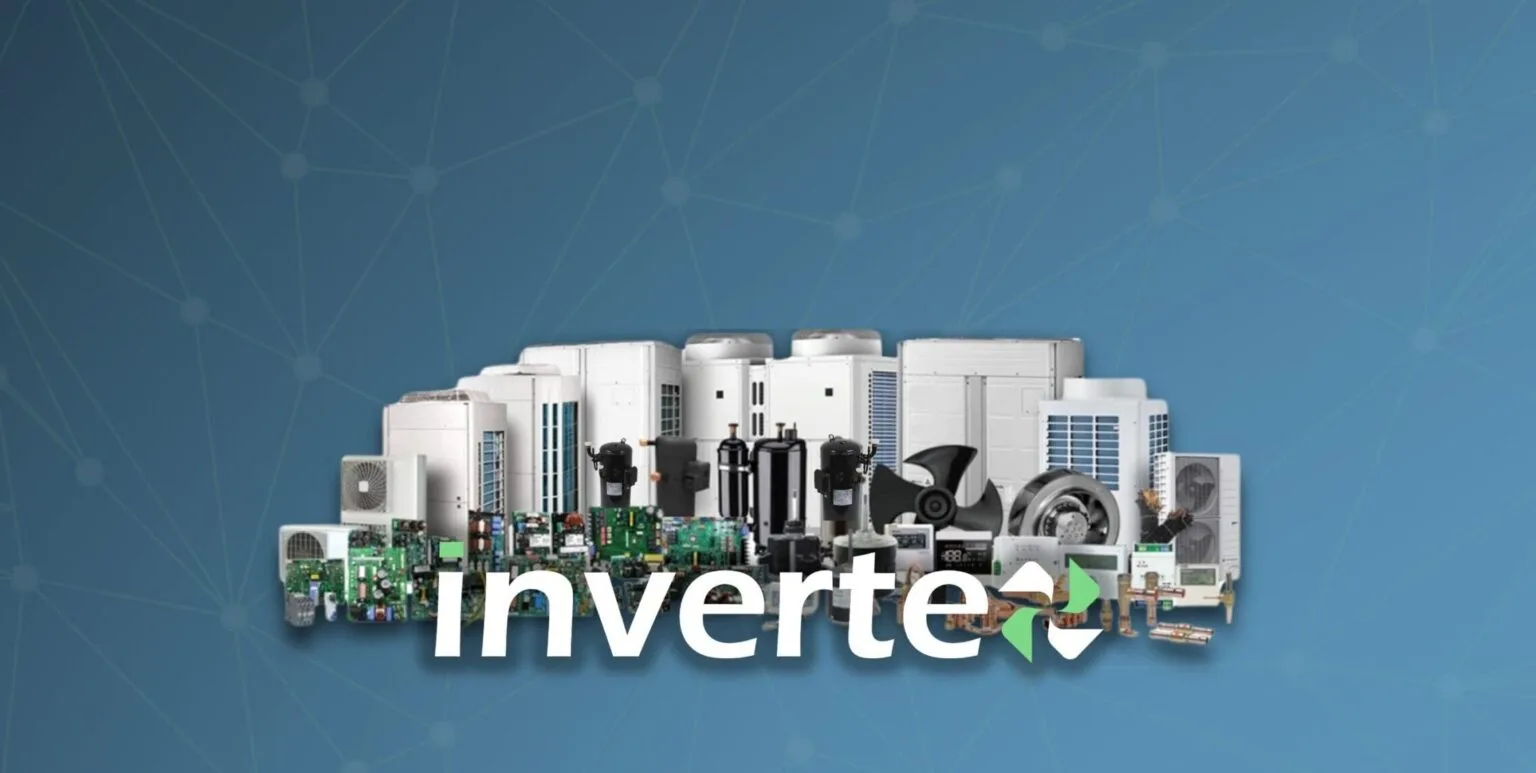
Specialized suppliers such as Invertex support maintenance contractors by helping identify and source replacement components for different inverter and VRF air conditioning systems. Having access to the correct spare parts can make an important difference when deciding whether to repair an aging system or replace it.
Of course, spare parts availability alone shouldn’t determine the decision. If the installation is suffering from widespread deterioration or fundamental reliability problems, continuing to replace individual components may only delay an unavoidable system upgrade.
Making the Right Decision
There is no fixed age at which every VRF system should be replaced. Some installations remain dependable well beyond their expected service life, while others become costly to operate much earlier due to poor maintenance, demanding conditions or recurring technical failures.
The most practical approach is to evaluate the system as a whole, considering its physical condition, maintenance history, energy performance, spare parts availability and anticipated future expenses or consult a specialized VRF company to do the exercise for you. When failures are isolated and the major components remain healthy, repairing the system may be the more economical choice. However, when breakdowns become frequent and maintenance costs continue to rise, planning a replacement before the next major failure may help avoid unnecessary expenses and operational disruption.
Ultimately, the goal isn’t to keep an old system running at any cost or replace equipment simply because it has reached a certain age. It’s to get the best possible value from the installation while maintaining reliable cooling for the building.

Millionaires Are On The Move Again: The UAE Is The Place To Be While Russia Is The Biggest Loser

Online Apparel Brand Couturelabs Launches With Unique Bohemian Collection In The UAE

Kyocera Chairman’s Visit Strengthens Ties With Ghobash Group
About The Author