


UAE Marks International Day Of Happiness With Focus On Wellbeing, Stability
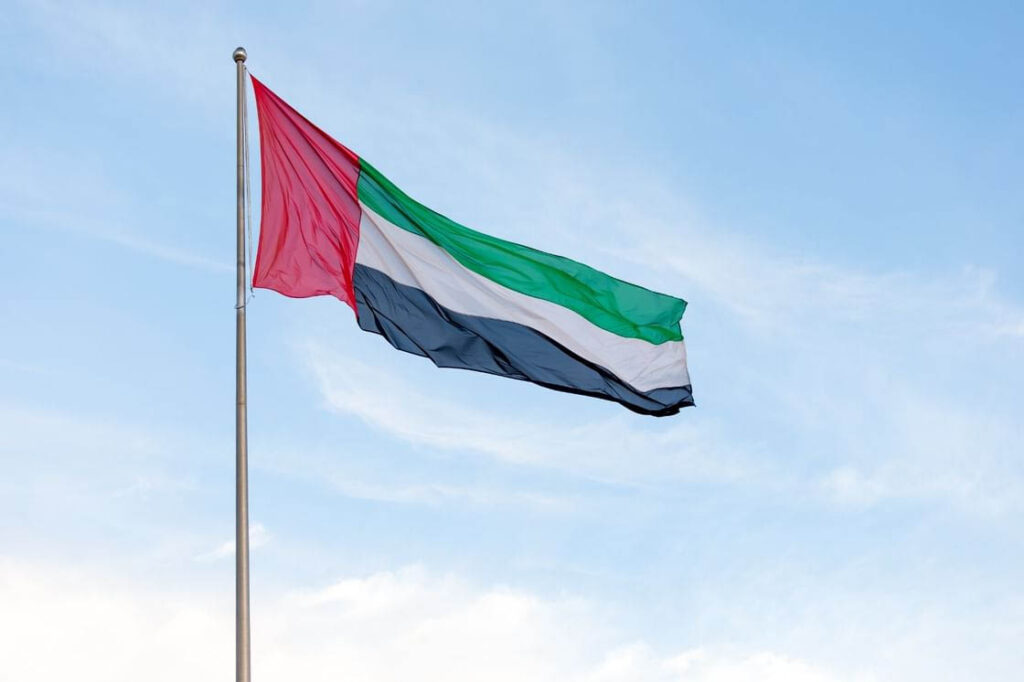
The United Arab Emirates will mark the International Day of Happiness on 20th March, highlighting sustained efforts to promote wellbeing, social stability and quality of life for citizens and residents.
The UAE has integrated happiness into its core governance through measures supporting public health, high-quality services, and social and economic stability, contributing to strong social cohesion. Initiatives also address mental wellbeing, promoting positivity and stronger community ties.
The UAE was one of the first countries to integrate happiness as a central metric in government policies, and in 2016, it introduced the role of Minister of State for Happiness. Following a cabinet reshuffle in October 2017, the role was expanded to include the well-being portfolio. In July 2020, the portfolio for Quality of Life and Happiness was transferred to the Ministry of Community Development.
The Cabinet also adopted the National Programme for Happiness and Positivity, committing government entities to embed wellbeing in policies, services and workplace environments. Authorities have also conducted a national survey to measure happiness and identify societal priorities.
In 2019, the government approved the National Strategy for Wellbeing 2031, which aims to position the UAE among the world’s leading countries in quality of life. The strategy focuses on individuals, society and government, promoting healthy lifestyles, mental wellbeing and positive thinking.
The UAE continues to perform strongly on global indicators such as security, income, healthcare and education. Abu Dhabi was ranked the world’s safest city for the tenth consecutive year in 2026, according to Numbeo, while the UAE ranks among the highest globally in GDP per capita, based on World Bank estimates.
In March, S&P Global Ratings affirmed its ‘AA/A-1+’ long- and short-term foreign and local currency sovereign credit ratings on the UAE with a stable outlook.
The country maintains advanced healthcare and education systems, supported by modern infrastructure and international institutions. It is also expanding digital and logistical services to improve efficiency and accessibility, supporting overall wellbeing and sustainable development.
Gheras Advances Integrated Farming In Sharjah
Sharjah Summer Promotions 2026 Attracts Strong Visitor Turnout With Massive Discounts, 700 Valuable Prizes

Amazon UAE Welcomes A Group Of New Emirati Hires, With Strong Emirati Women Representation
About The Author